

One-line controls everything. Not the offer, not the case
study that took an hour to write, not the call to action at the bottom. The
subject line. If it does not get a tap nothing that comes after it matters and
that email might well not be there.
Most people think about the subject line, as something that
comes last something they type in five seconds after finishing the message.
Change that order and open rates change. These covers what actually gets a cold
email opened what quietly stops it from being opened and how to stop guessing.
The Subject Line Is the Whole Gate
Every metric that matters later,
reply rate, click rate, booked calls, sits downstream of one decision: did
someone open the email. A brilliant pitch buried under a weak subject line
never gets read, so all that effort goes nowhere.
This is why testing subject
lines usually moves the needle faster than rewriting the body copy again. Fix
the gate first.
What Actually Gets a Click
People open emails that seem to
be made for them not emails that seem to have been sent to hundreds of other
inboxes too. A subject line that mentions something their company, a recent
event a shared connection beats a boring one almost every time.
Curiosity helps. Only if its
real. "Quick question, about [their product]" gets opened because it
promises something. "You won't believe this" gets opened once, then
flagged as spam forever after. There's a real line between curiosity and bait,
and crossing it costs you the relationship before it starts.
Keep It Short, Especially on Mobile
Most inboxes stop showing the
line when the length reaches, between forty and sixty characters. A lot of
people read email on a phone and, on a phone screen that number is even
smaller. Write for the phone screen. If the main idea of your subject line
comes after character fifty it is not getting through all.
This also overlaps with deliverability. Putting the subject
line of exclamation points ALL CAPS words or phrases such as "free"
and "act now" pushes you toward spam filters just as much as anything
inside the email body. If that is new, to you you should look at how spam
filters work before your next send.
Personalize Past the First Name
When you put someone’s name in the subject line it is not
special anymore. All the tools do it. Everyone has seen it times. It does not
really make people open emails anymore by itself.
True personalization is more
than that. It is about their industry. It is about the size of their company.
It is, about a problem that is connected to their job.
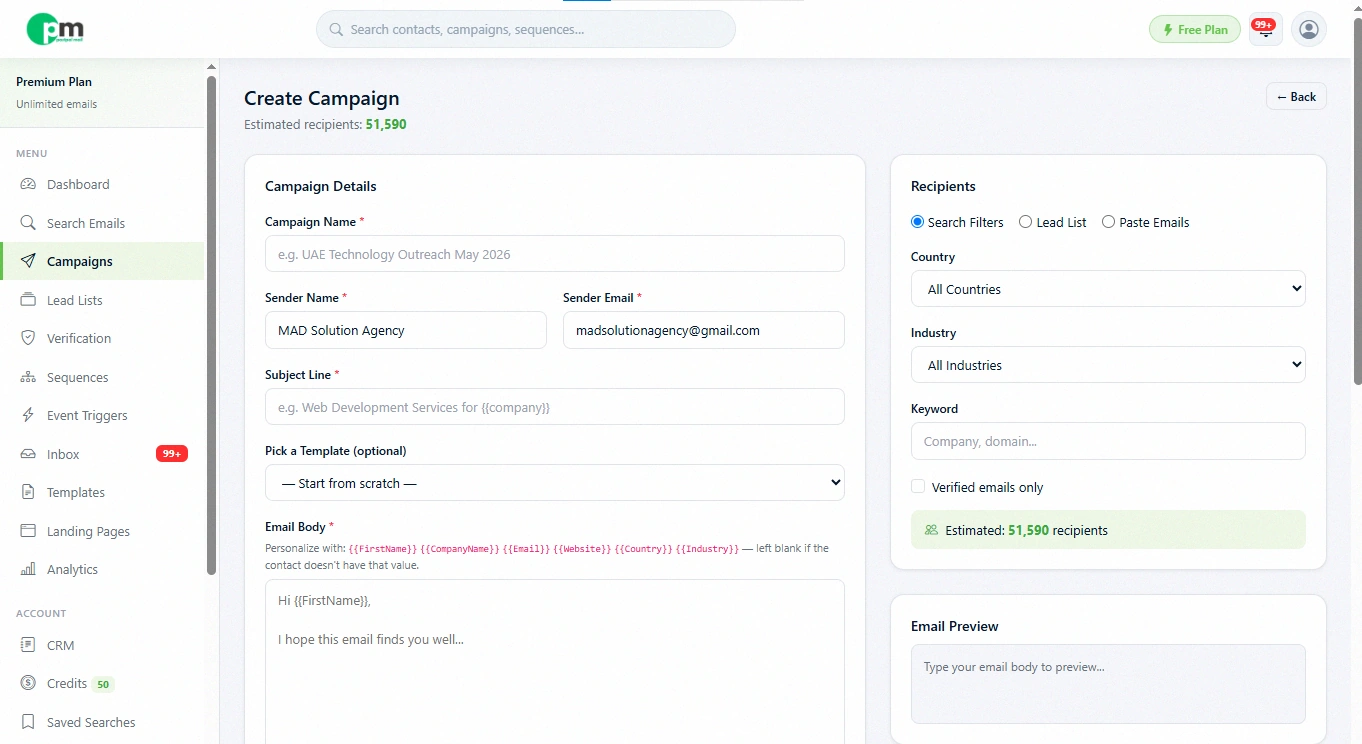
PostPalMail's
campaign sender lets you pull placeholders, like company name,
industry and job title into the subject line. I find that PostPalMail's campaign
sender keeps a template looking like a personal note, not a generic batch. With
PostPalMail's campaign sender the subject line feels tailored to one person, not
to a whole list.
Subject Lines That Kill Open Rates
A list of short patterns that
hurt more, than help.
•
"Following up" with
nothing else attached. It tells the reader nothing and gets skipped as easily
the second time as the first.
•
Vague corporate phrases like
"Partnership opportunity" or "Quick sync," which say
nothing about what's actually in the email.
•
Overpromising, "This will
change your business," then delivering a generic pitch. That gap between
promise and payoff is what gets you unsubscribed, not just ignored.
• Question marks stacked with exclamation points, or a subject line in title case that reads like an ad rather than a person.
Test It Instead of Guessing
Opinions about subject lines are
cheap. Everyone has a favorite formula, and half of them are wrong for your
specific audience. The only real answer comes from sending two versions to
similar segments and watching what actually happens.
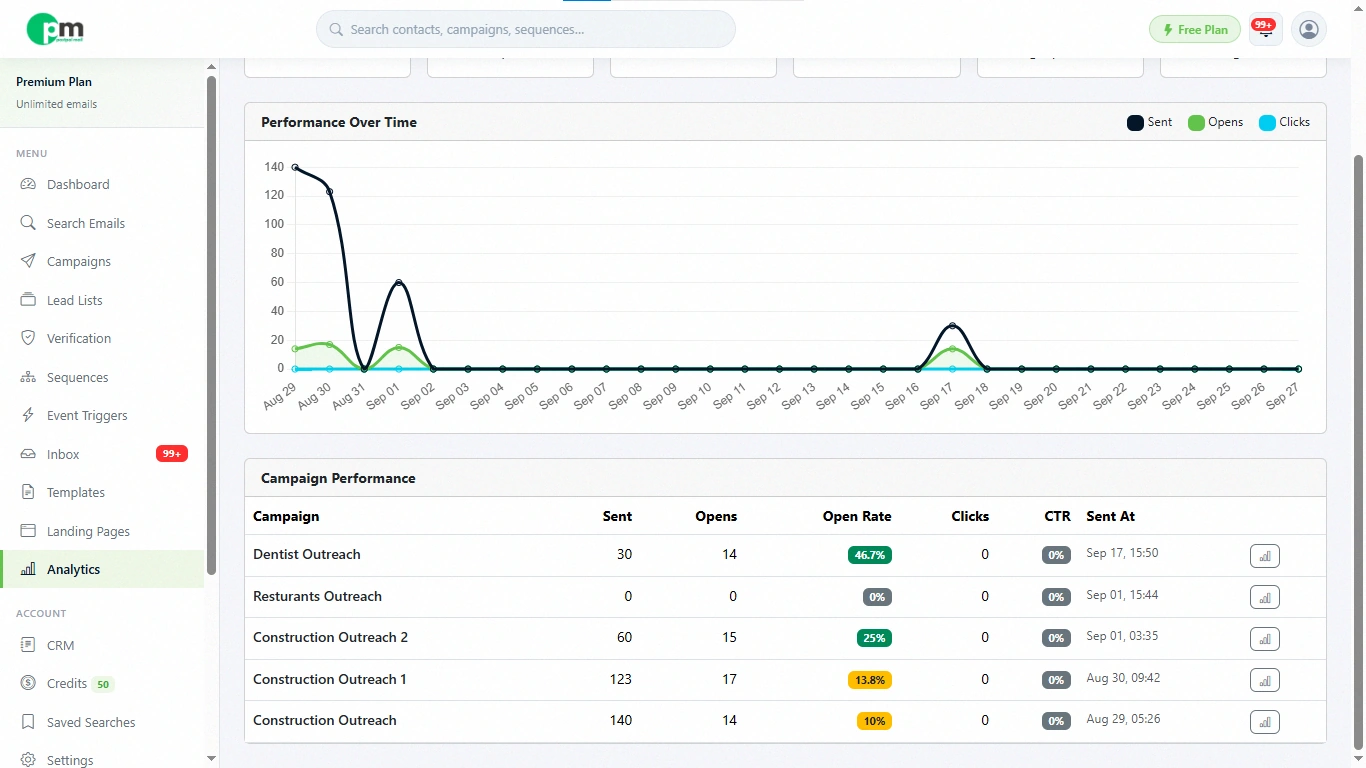
Track open rate first, since
that's the metric a subject line is actually responsible for. Reply rate
depends on the body too, so don't blame or credit the subject line for that
number.
Reviewing results inside PostPalMail's
open and click tracking shows you which version won without needing
a separate analytics tool, and once you've got a winner, that pattern becomes
your new baseline to beat next time.
A Few Starting Points Worth Testing
If you're stuck staring at a
blank subject line field, these angles are worth trying against your own list.
•
A direct question tied to their
role: "How is [company] handling [specific problem]?"
•
A one-line observation about
something public, a launch, a hire, a funding round.
•
Plain and boring on purpose:
"Idea for [company]" reads as human, not templated.
•
A number or specific detail, since
specificity reads as effort even in six words.
None of these choices are sure to work. Try each one with
your group of people. Let the number of people who open the message show which
one is best. Let the open rate be your direction not something written in a
blog.
Conclusion
A great pitch, behind a subject line never gets read. That's
why the subject line earns the most disproportionate share of your attention.
Specific beats clever. Short beats long. Honest curiosity beats anything that
reads like bait.
Pull in personalization wherever it is available keep testing two versions, against each other and let open rate show you what is actually working instead of guessing from a formula someone else believes in. Start with your campaign: write three subject line options before you write the body not after.
Disclaimer
This article is meant for information and shows cold
outreach practices as they are usually seen when it was written. Cold outreach
practices can differ from one situation to another. Open rates can change
depending on industry, audience and list quality. This does not promise any
particular outcome.